HEIWEL Hospital • Critical Care
What is critical care?
Critical care is hospital-based care for patients whose condition requires a higher level of monitoring or organ support than is normally available in a general ward. The intensity of treatment can range from close observation to multiple interventions, depending on the patient's illness. Critical-care teams frequently reassess patients because a condition can change quickly. We provide Critical Care as one of our major clinical services and includes a broader facility strip highlighting 24x7 emergency support and critical-care support. The goal of an ICU is not simply to treat a diagnosis; it is to continuously assess the patient and respond to changes in breathing, circulation, consciousness, infection or other physiological systems.
Who may need ICU-level monitoring?
There is no single symptom that automatically means a person needs an ICU. Patients may require intensive care after major surgery, severe trauma, significant breathing problems, serious infection, unstable heart or blood-pressure problems, neurological emergencies, major burns or complications during pregnancy. our services reflects this range by naming medical, surgical, cardiac, neuro, trauma, burn, obstetric and gynaecology critical care. The actual decision to admit a patient to critical care depends on the patient's clinical condition, the treatment or monitoring required and the judgement of the treating team.
Obstetric and gynaecology critical care
We specifically provide Obstetric Critical Care and Gynaecology Critical Care. This can be relevant when a pregnancy or gynaecological condition is associated with severe medical instability or when close monitoring and organ support are necessary. Pregnancy can also change how some illnesses present and how treatment is planned. A patient should not delay emergency evaluation because the symptoms are attributed to pregnancy alone. Severe bleeding, severe breathlessness, loss of consciousness, seizures, severe abdominal pain or other sudden deterioration requires urgent medical assessment. Our obstetric and gynaecology service also includes high-risk pregnancy, twin pregnancy, delivery care and infertility-related services.
Surgical and trauma critical care
We provide Surgical Critical Care and Trauma Critical Care. Some patients require higher-level monitoring after complex surgery, while trauma patients may need rapid assessment and coordinated management of injuries. The need for intensive monitoring may change over time: a patient can move from emergency care to surgery and then require ICU-level observation, or may stabilise and transfer to a ward. our broader surgical offering includes General & Laparoscopic Surgery, advanced laparoscopic and bariatric surgery, trauma and emergency surgeries, and a range of oncosurgical services.
Medical, cardiac and neuro critical care
Our critical-care services also include Medical Critical Care, Cardiac Critical Care and Neuro Critical Care. These categories cover different types of serious illness and require different monitoring and treatment priorities. Examples of situations that can lead to intensive care include severe infection with organ dysfunction, serious breathing problems, unstable cardiovascular conditions or acute neurological deterioration. Online information should never be used to decide that a person is stable. When there is rapid change in consciousness, severe breathing difficulty, chest pain with collapse, persistent seizures or other life-threatening symptoms, emergency medical care is required.
Burn critical care
We provide Burn Critical Care as part of our critical-care services. Burns can range from minor injuries to complex cases requiring fluid management, pain control, wound care, surgery and close monitoring. The severity depends on the depth and extent of the burn, location, associated injuries and the patient's overall condition. The need for critical care is determined clinically. For major burns, smoke inhalation, facial burns, breathing difficulty or extensive injury, emergency evaluation is particularly important. Families should not delay transport while trying home remedies when the injury is serious.
POCUS support and bedside assessment
Our critical-care services include POCUS support. Point-of-care ultrasound, or POCUS, is a bedside imaging approach that can provide rapid information in selected clinical situations. It can support assessment of the heart, lungs, abdomen, blood vessels and other structures depending on the skill and protocol being used. POCUS does not replace every formal diagnostic test, and the exact role depends on the patient's condition. POCUS is part of our critical-care service offering, and its use depends on each patient’s clinical needs.
Dr. Priya Singh and the critical-care profile
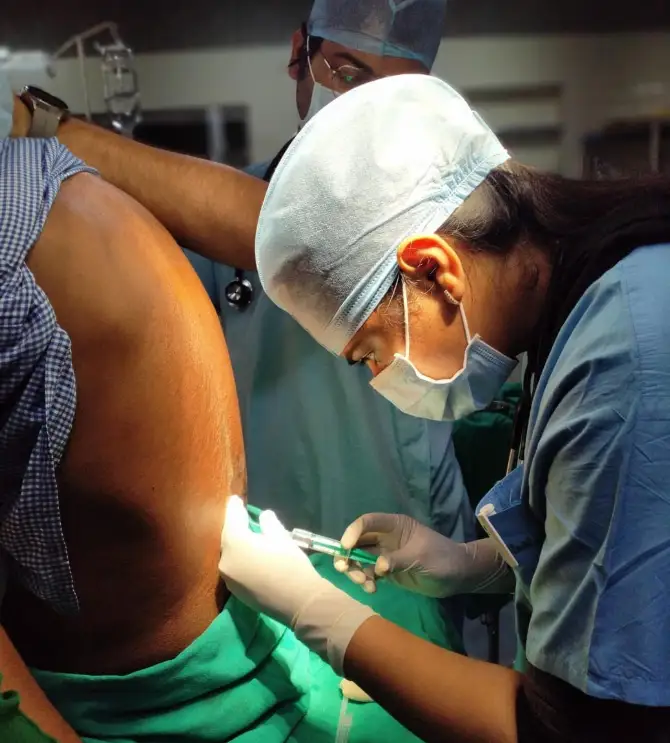
Our clinical team includes Dr. Priya Singh, M.B.B.S., M.D., FCCS, PDCC (CCM-BHU), as an Anaesthetist, Physician & Critical Care Intensivist and critical-care specialist. In an emergency, please seek immediate medical attention and contact us to confirm current duty rosters and specialist availability.
What families may see in an ICU
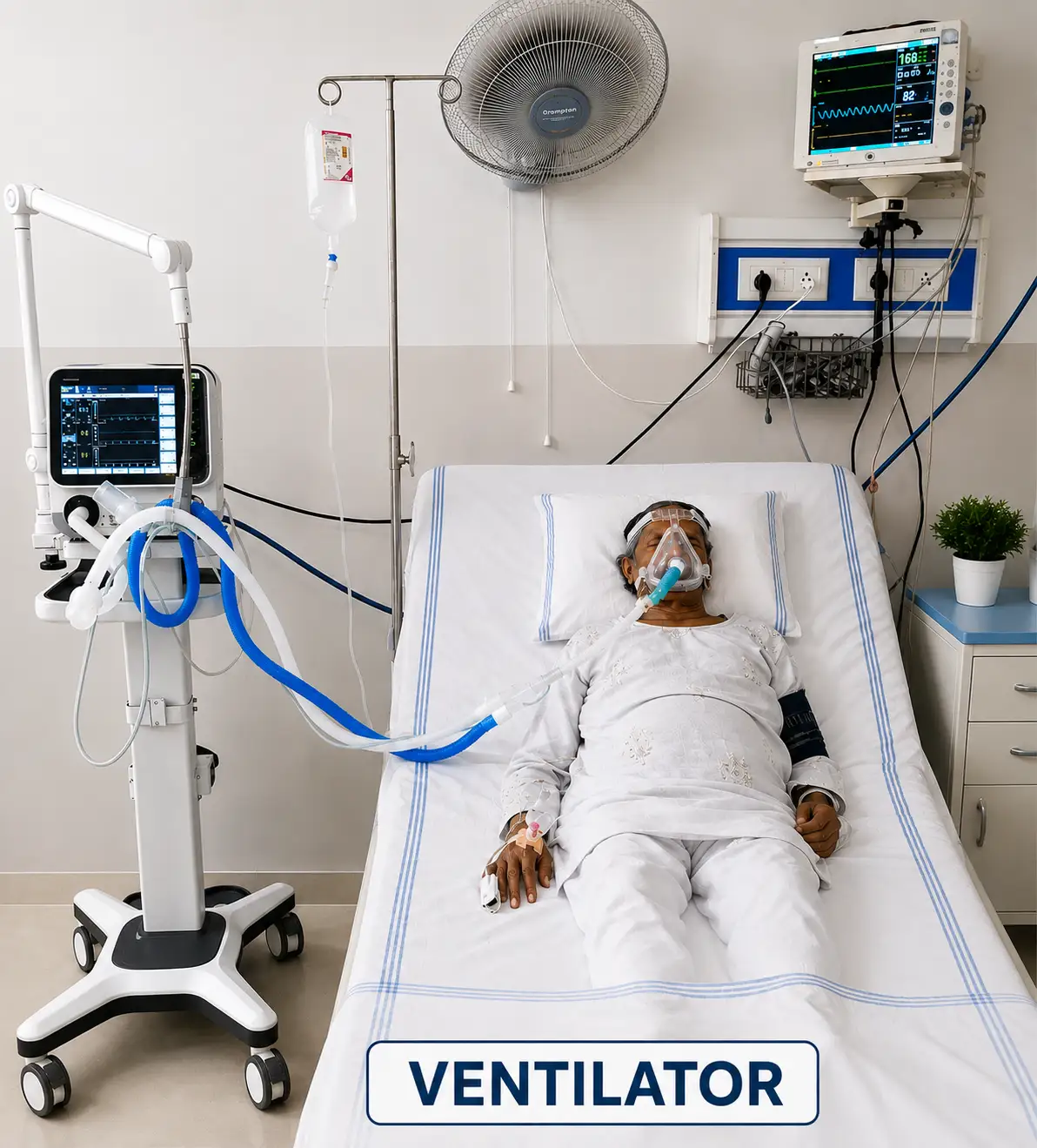
An ICU environment can include continuous monitors, intravenous lines, oxygen support, urinary catheters, medicines and other equipment. Some patients may require ventilatory support, while others need monitoring without a ventilator. The number of devices around a patient does not by itself describe prognosis. Families should ask the treating team what each major intervention is for, what the immediate goals of treatment are, which results are being monitored and what changes would prompt a change in the plan. Visitor rules vary by hospital and clinical situation; family members should follow the facility's instructions to reduce infection risk and avoid interfering with care.
Our Emergency Access and Supporting Facilities
We highlight 24x7 Emergency, Critical Care Support and 24x7 Ambulance. We also provide pathology, ECG, X-Ray, ABG, ultrasound and 2D Echo, along with pharmacy support as part of our broader hospital services. For a critically ill patient, access to coordinated diagnostics can be important because treatment decisions may depend on rapid testing and repeat assessment. The relevance of each facility depends on the individual emergency. Families should not interpret our services's service list as a guarantee that a particular test will be performed in every case.
Wards, transfer and recovery after critical illness
Critical care is often one phase of a patient's hospital journey. After the acute condition stabilises, a patient may move to a higher-dependency area or general ward before discharge. Our General Wards are on the 2nd Floor, Private Wards on the 3rd Floor and Deluxe Ward rooms on the 4th Floor. Transfer decisions depend on clinical stability and bed availability and are made by the treating team. Recovery after ICU can continue after discharge, with fatigue, weakness, reduced mobility or the need for follow-up in some patients.
Questions families should ask the critical-care team
Families can ask: What is the main problem being treated? What support is being used right now? What are the immediate treatment goals? Which investigations are being followed? What signs would indicate improvement or deterioration? Is surgery or another procedure being considered? Who is leading the clinical care? How often will the family receive updates? If the patient improves, what is the next level of care? Clear communication is especially important in critical care because treatment can change rapidly. Written questions can help families remember details during stressful situations.
How critical-care decisions are made
ICU admission is based on the patient's physiological needs rather than on a particular diagnosis alone. A patient may require intensive monitoring because breathing, circulation, consciousness or another major body function is unstable. Another patient with the same diagnosis may be safely managed in a ward if the condition is stable. Our critical-care services cover medical, surgical, cardiac, neuro, trauma, obstetric, gynaecology and burn categories. These categories show the scope of the service, while the clinical team decides the appropriate level of care for each individual case.
Why monitoring can be continuous
Critically ill patients can deteriorate quickly, which is why monitoring may include heart rhythm, blood pressure, oxygen saturation, respiratory status, urine output and repeated laboratory testing. The precise monitoring plan depends on the clinical problem. We provide ABG, ECG, pathology, ultrasound, 2D Echo and X-Ray among diagnostic support facilities. These tools can help the team assess the patient's response to treatment when clinically indicated. Families should ask the team which measurements are most important for their relative instead of trying to interpret monitor numbers independently.
Ventilator questions families commonly ask
Families often become concerned when a patient needs breathing support. A ventilator is a form of respiratory support; it does not by itself determine the patient's outcome. The reason for ventilation, severity of illness, response to treatment and other organ problems all matter. Not every ICU patient needs a ventilator, and support can range from supplemental oxygen to more intensive respiratory assistance. The treating team should explain why support is needed, what the immediate goals are and how progress will be assessed. Sudden worsening of breathing outside the hospital requires emergency medical attention.
Critical care after major surgery or trauma
We provide Surgical Critical Care and Trauma Critical Care alongside our General & Laparoscopic Surgery service and trauma and emergency surgeries. This is relevant to patients who may require close monitoring after a complex operation or serious injury. Surgical recovery can include changes in pain, blood pressure, breathing, fluid balance or infection risk. Trauma patients may also have multiple injuries that require coordinated management. Families should ask whether the patient is expected to move from emergency care to surgery, ICU or a ward and what clinical milestones determine those transfers.
Communication with the ICU team
Critical-care treatment can be difficult for families to follow because several clinicians and investigations may be involved. One useful approach is to ask the same core questions during updates: What is the main problem today? What treatment is being used? What has changed since the last update? What are the next 24-hour goals? Which tests are pending? What would indicate improvement or deterioration? Who is the primary treating consultant? Keeping a written record can reduce confusion. Visitor and communication policies vary, so families should follow our current instructions.
Transitioning from critical care to ward-based recovery
When a critically ill patient improves, the next stage is often a lower level of monitoring rather than immediate discharge. Transfer to a ward means the patient is stable enough for the type of monitoring available there, although recovery is still continuing. Families can ask what goals must be achieved before transfer, what medicines are changing and what rehabilitation or follow-up is expected. We provide General, Private and Deluxe wards, but the appropriate location is determined clinically.
Laboratory and imaging support during critical illness
Critical-care management often relies on repeated clinical examination and selected investigations. Our critical-care support includes pathology, ABG, ECG, X-Ray, ultrasound and 2D Echo. Which tests are performed depends entirely on the patient's condition. ABG, for example, can provide information about oxygenation and acid-base status, while ECG evaluates electrical activity of the heart. The family should ask why each major test is being ordered and what decision it will inform. Test numbers should not be interpreted independently without the clinical context.
Emergency transport and ambulance considerations
We provide 24x7 Ambulance alongside 24x7 Emergency. When a patient has a serious injury or sudden deterioration, appropriate transport can be important because movement may need to be handled safely and urgent medical assessment may be required on arrival. Families should not delay transport for a non-essential hospital call. In an emergency, the nearest appropriate emergency service may be the safest destination based on time and clinical need.
About HEIWEL Hospital, Varanasi
We are located at NH-56, Airport Road, Near Sant Atulanand, Gilat Bazar, Chotta Chuppepur, Varanasi, Uttar Pradesh – 221002. We provide multispeciality care spanning surgery, women's health and fertility, critical care, orthopaedics, diagnostics and other departments, with 24x7 emergency and ambulance support highlighted on the main page.
Frequently Asked Questions
Does HEIWEL Hospital list ICU and critical-care support?
Yes. We highlight 24x7 Emergency and Critical Care Support and lists obstetric, surgical, medical, cardiac, neuro, trauma, gynaecology and burn critical care.
Who is part of our critical-care team?
We provide Dr. Priya Singh as an Anaesthetist, Physician & Critical Care Intensivist, with M.B.B.S., M.D., FCCS, PDCC (CCM-BHU).
Does every emergency patient need an ICU?
No. ICU admission depends on the level of monitoring or support required and the patient's clinical condition.
What should families do in a life-threatening emergency?
Seek urgent medical care immediately. Do not delay emergency treatment while trying to arrange routine appointments or gather documents.
Continue Your HEIWEL Health Journey
Explore closely related guides and services for patients in Varanasi.
HEIWEL Hospital in Gilat Bazar, Airport Road, Varanasi
At HEIWEL Hospital, we serve patients from across Varanasi and surrounding areas from our location on NH-56, Airport Road, near Sant Atulanand, Gilat Bazar, Chotta Chuppepur, Varanasi – 221002. Our hospital brings together specialist consultations, diagnostics, inpatient care, surgical services and patient-support facilities in one healthcare setting.
Patients searching for critical care in Varanasi, a hospital near Airport Road, healthcare near Gilat Bazar or multispeciality care in the Chotta Chuppepur area can use this guide to understand the relevant care pathway before contacting us. For current doctor availability, appointment timing, procedure availability, insurance authorization and package information, please contact us directly.
Talk to HEIWEL Hospital
Our patient-support team can help you with department information, appointment scheduling, diagnostic services, PM-JAY and insurance questions, and hospital visit preparation.
Book an Appointment Call +91 98390 61975