
HEIWEL Hospital • Orthopaedics
What does orthopaedic care include?
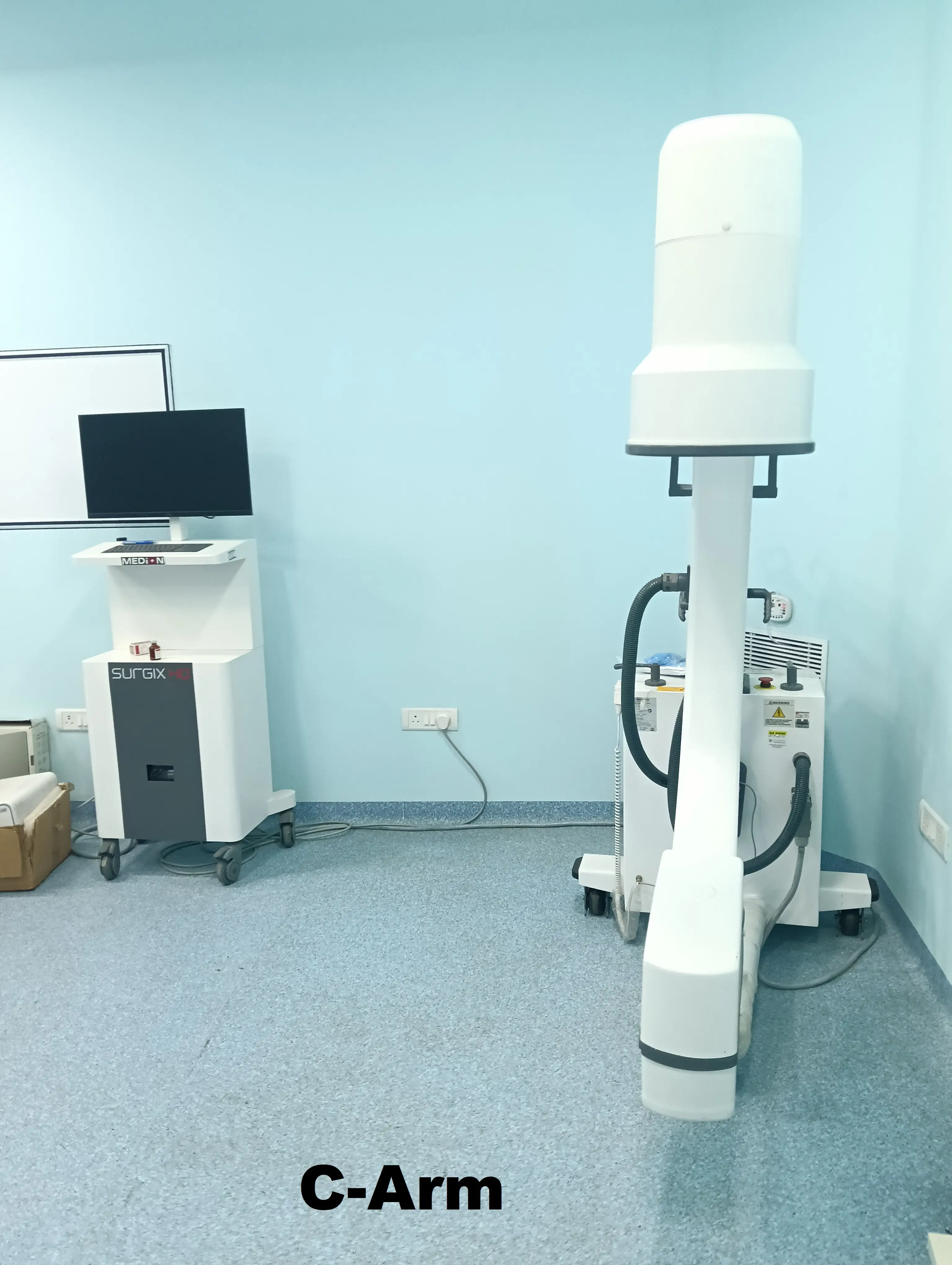
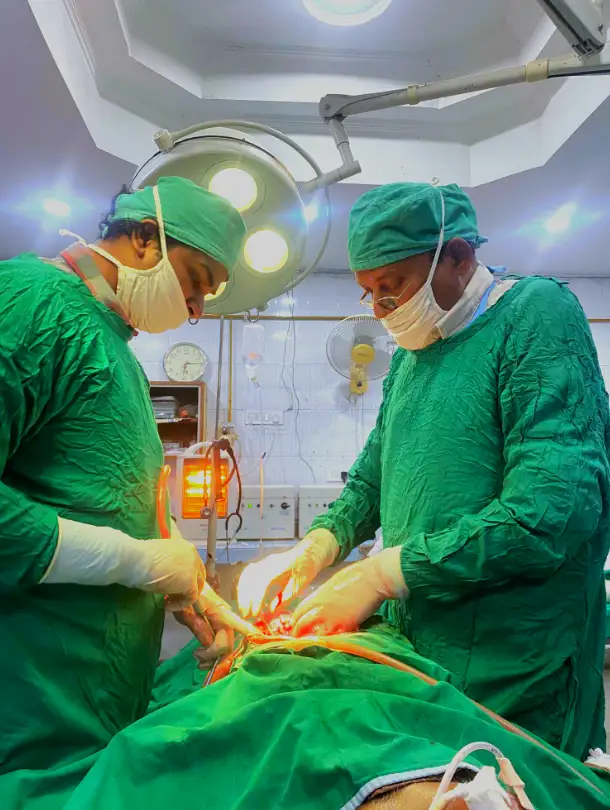
Orthopaedics includes evaluation and treatment of injuries, degenerative joint problems, fractures, tendon and ligament disorders, spine conditions and other musculoskeletal problems. Some cases can be managed without surgery, while others may require an operation. The first step is an accurate clinical assessment. A patient with knee pain, for example, could have an injury, arthritis, inflammation or another condition requiring a different treatment approach. our services covers both acute injuries and planned orthopaedic surgery, including fractures, joint replacement, tendon repair and spine-related procedures.
Fracture treatment
We provide Fractures Treatment under Orthopaedics. A fracture can range from a stable injury that can be immobilised to a complex break that may need surgery. The treatment depends on the location, alignment, stability, soft-tissue injury, the patient's age and other clinical factors. After an injury, imaging is often used to understand the fracture. Patients should not try to straighten a visibly deformed limb or force movement through severe pain. Major trauma, open wounds, loss of circulation or sensation, or severe pain requires urgent assessment.
Knee replacement
Knee Replacement is included in our Orthopaedics service. Joint replacement is generally considered for selected patients whose joint disease causes significant pain or functional limitation and when non-operative treatment is not sufficient. The decision requires a specialist evaluation, imaging and assessment of overall health. Patients considering knee replacement should ask what diagnosis explains their symptoms, whether alternatives remain appropriate, what the operation involves, what rehabilitation is needed and how long activity restrictions are expected to last. Recovery is a process that can continue well beyond the hospital stay.
Hip replacement
We provide Hip Replacement. Like knee replacement, hip replacement is a major orthopaedic procedure that requires assessment of symptoms, imaging, function and overall medical fitness. Patients should ask about the diagnosis, implant options where relevant, anaesthesia, expected hospital stay, postoperative precautions, physiotherapy and warning signs. Pre-operative laboratory and cardiac assessments may be requested depending on age, medical history and the proposed procedure. Our wider diagnostics include ECG, pathology, X-Ray and other tests, but the exact pre-operative work-up is determined clinically.
Tendon repair and soft-tissue injuries
Tendon Repairs are included in our Orthopaedics service. Tendons connect muscles to bones and can be injured through trauma, overuse or other conditions. The severity and location of a tendon injury can influence whether treatment is conservative or surgical. Early assessment can be important when there is sudden loss of movement after an injury. Patients should explain how the injury occurred, when it happened and what function was lost. Rehabilitation is often important after tendon procedures, and adherence to the prescribed therapy plan can influence functional recovery.
Shoulder, foot and ankle problems
We provide Shoulder Surgery and Foot & Ankle Surgery. Shoulder conditions can involve the rotator cuff, instability, arthritis or trauma, while foot and ankle problems can include fractures, tendon injuries and other structural disorders. Many symptoms are not specific to one diagnosis, so examination and appropriate imaging are essential. Patients should avoid assuming that a painful joint automatically means surgery is required. A specialist may recommend activity modification, medicines, physiotherapy, supportive devices or further evaluation before considering an operation.
Spine and back surgery
We provide Spine & Back Surgery. Back pain is common and may have many causes; only a subset requires surgery. A careful history and neurological examination are important in deciding whether imaging or specialist assessment is appropriate. Symptoms such as progressive weakness, loss of bowel or bladder control, saddle-area numbness or severe trauma can require urgent assessment. For planned spine treatment, patients should ask what the diagnosis is, why surgery is being considered, what non-operative options have been tried and what recovery and rehabilitation will involve.
Elbow, hand and wrist surgery
Our orthopaedic list includes Elbow, Hand & Wrist Surgery. These areas can be affected by fractures, tendon injuries, nerve compression, arthritis and other conditions. Hand and wrist problems can have a substantial impact on daily activities, so diagnosis and functional assessment matter. For traumatic injuries, the time since injury and the status of nerves, blood vessels and skin can affect management. Patients should bring previous imaging and reports and mention previous injuries or surgeries to the specialist.
Preparing for an orthopaedic consultation
A useful orthopaedic appointment includes the story of the problem, relevant medical history and previous investigations. Bring X-Rays, scans, prescriptions and a list of medicines. Note when the symptoms started, what activities make them worse, whether swelling or instability occurs and whether there is numbness or weakness. If the visit is for trauma, record how the injury occurred and what treatment was already provided. The doctor may recommend additional imaging or laboratory tests depending on the diagnosis.
Orthopaedic surgery and wider hospital support
Our multispeciality setup includes diagnostic facilities such as X-Ray, pathology, ECG, ultrasound and other tests, as well as surgical facilities, wards and critical-care support. Orthopaedic patients may need only a subset of these services. Pre-operative assessment can be tailored to the patient's age and medical conditions, while postoperative monitoring depends on the procedure. We also provide 24x7 Emergency, which is relevant to acute injuries and trauma. For serious injuries, emergency assessment takes priority over arranging a routine specialist appointment.
Rehabilitation after orthopaedic treatment
Recovery does not end when the operation is complete. Rehabilitation may include exercises, physiotherapy, walking progression, strengthening, mobility work or restrictions on specific activities. The exact plan depends on the diagnosis and procedure. Patients should follow the orthopaedic team's instructions because premature return to high-load activity may interfere with healing. Persistent swelling, fever, wound discharge, severe uncontrolled pain, new weakness or loss of sensation should be reported promptly.
Choosing an orthopaedic hospital in Varanasi
When comparing orthopaedic facilities, patients can look at whether the relevant procedure is offered, whether emergency and trauma care is available, what diagnostic support is on site, what inpatient facilities exist and how postoperative follow-up is arranged. We provide fractures, tendon repairs, joint replacement and multiple extremity and spine surgeries as well as general hospital support. This provides a useful starting point for patients researching orthopaedic care in Varanasi, while the exact suitability of the hospital for a particular case should be discussed with the treating team.
Questions to ask before orthopaedic surgery
Ask what the diagnosis is, whether surgery is necessary, what alternative treatments exist, what implant or fixation is planned when applicable, what the main risks are, what anaesthesia will be used, how long the hospital stay may be, when physiotherapy starts, what activity is restricted and what symptoms require urgent contact. Also ask about expected costs and insurance authorization where relevant. We provide selected TPA support and PM-JAY information, but coverage should be verified for the exact procedure.
Acute trauma versus chronic joint pain
Orthopaedic care in Varanasi includes both sudden injuries and longer-term musculoskeletal problems. A fracture after a fall is a different clinical pathway from knee pain that has developed gradually. We provide Fractures Treatment, Tendon Repairs, joint replacement and multiple upper- and lower-limb procedures, allowing our orthopaedic service to address different categories of problems. Patients should describe the time course and functional limitations clearly. This helps the specialist decide whether urgent imaging, conservative treatment, rehabilitation or surgery should be considered.
Joint replacement is a planned pathway
Knee and hip replacement are not emergency treatments for every patient with joint pain. They are planned operations that usually follow clinical assessment, imaging and discussion of non-operative options. Before surgery, patients should understand why replacement is being considered, what recovery involves and how rehabilitation will be organised. our broader diagnostics include X-Ray, ECG and pathology, which may be relevant to a pre-operative pathway depending on the patient's needs. The exact investigation list should come from the treating team.
Hand, wrist, elbow and tendon injuries
Our Orthopaedics section includes Elbow, Hand & Wrist Surgery and Tendon Repairs. These problems can affect grip strength, fine motor function and the ability to work or perform daily tasks. For traumatic injuries, patients should report whether movement was suddenly lost, whether there is numbness or whether the hand became pale or cold. These can be important warning signs. Treatment can include immobilisation, specialist repair and rehabilitation depending on the diagnosis.
Spine and back symptoms need careful evaluation
We provide Spine & Back Surgery, but back pain does not automatically mean surgery is required. The clinical pathway depends on symptoms, examination and relevant imaging. Progressive weakness, significant sensory loss, new bladder or bowel dysfunction or severe trauma can require urgent assessment. For non-emergency back pain, ask the specialist to explain the diagnosis and why a particular treatment is being recommended. Understanding the reason for surgery, when applicable, is as important as knowing the name of the operation.
Recovery planning before an orthopaedic procedure
Before surgery, ask when walking or movement can resume, when physiotherapy begins, what activities are restricted and what equipment or support may be needed at home. Arrange transport if driving will not be permitted immediately after the procedure. Keep postoperative instructions and the emergency contact number accessible. We provide multiple ward categories and 24x7 emergency support, but postoperative monitoring and discharge timing depend on the specific operation and the patient's recovery.
Emergency warning signs after an orthopaedic injury
Some injuries need immediate assessment. Severe deformity, an open fracture, rapidly increasing swelling, loss of sensation, inability to move a limb, or a limb that becomes cold or discoloured can indicate a more serious injury. Patients should seek urgent medical care rather than attempting home manipulation. We highlight 24x7 emergency support as part of our hospital services. For non-emergency pain, a scheduled orthopaedic consultation can help establish the cause and treatment plan.
Imaging and diagnosis before orthopaedic treatment
Orthopaedic complaints often need a combination of history, examination and imaging. Our diagnostic facilities include X-Ray and ultrasound among our services, while pathology and ECG are also available when clinically relevant. The required investigation depends on the suspected condition. A fracture may be visible on an X-Ray, while a tendon or soft-tissue problem may require another form of evaluation. Patients should bring existing imaging and reports and ask whether a new investigation is actually necessary. Avoid assuming that every painful joint needs advanced imaging or surgery.
When to seek an orthopaedic review
Arrange specialist assessment when pain persists, movement becomes limited, an injury does not improve as expected, a joint repeatedly gives way, or a condition interferes with work or daily activities. A specialist can distinguish conditions that may respond to non-surgical treatment from those where a procedure needs to be considered. We provide orthopaedic treatment alongside internal medicine, diagnostics, emergency support and other specialties, allowing patients to discuss a musculoskeletal problem within a broader hospital environment. The treatment plan should always be based on the actual diagnosis.
Orthopaedic care for older adults
Older adults may have more than one medical condition at the same time as a joint or fracture problem. Before an operation, the clinical team may therefore review blood pressure, diabetes, kidney function, medicines, heart status and other relevant factors. We provide Internal Medicine, pathology, ECG and other diagnostic support in addition to Orthopaedics. Patients and family members should provide a complete medicine list and history of previous surgeries or illnesses. This broader evaluation helps the treating team plan care around the patient's overall health rather than the joint problem alone.
About HEIWEL Hospital, Varanasi
We are located at NH-56, Airport Road, Near Sant Atulanand, Gilat Bazar, Chotta Chuppepur, Varanasi, Uttar Pradesh – 221002. We provide multispeciality care spanning surgery, women's health and fertility, critical care, orthopaedics, diagnostics and other departments, with 24x7 emergency and ambulance support highlighted on the main page.
Frequently Asked Questions
What orthopaedic procedures do we provide at HEIWEL?
We provide fractures treatment, tendon repairs, knee replacement, hip replacement, shoulder surgery, foot and ankle surgery, spine and back surgery, and elbow, hand and wrist surgery.
Does every joint problem require surgery?
No. Treatment depends on the diagnosis, symptoms, imaging and clinical assessment.
Does HEIWEL provide emergency support for trauma?
The main site highlights 24x7 Emergency and lists Trauma & Emergency Surgeries under General & Laparoscopic Surgery and Trauma Critical Care under Critical Care.
Will I need physiotherapy after orthopaedic surgery?
Rehabilitation needs depend on the diagnosis and procedure. The treating orthopaedic team should provide the appropriate recovery plan.
Continue Your HEIWEL Health Journey
Explore closely related guides and services for patients in Varanasi.
HEIWEL Hospital in Gilat Bazar, Airport Road, Varanasi
At HEIWEL Hospital, we serve patients from across Varanasi and surrounding areas from our location on NH-56, Airport Road, near Sant Atulanand, Gilat Bazar, Chotta Chuppepur, Varanasi – 221002. Our hospital brings together specialist consultations, diagnostics, inpatient care, surgical services and patient-support facilities in one healthcare setting.
Patients searching for orthopaedics in Varanasi, a hospital near Airport Road, healthcare near Gilat Bazar or multispeciality care in the Chotta Chuppepur area can use this guide to understand the relevant care pathway before contacting us. For current doctor availability, appointment timing, procedure availability, insurance authorization and package information, please contact us directly.
Talk to HEIWEL Hospital
Our patient-support team can help you with department information, appointment scheduling, diagnostic services, PM-JAY and insurance questions, and hospital visit preparation.
Book an Appointment Call +91 98390 61975